
What Carroll County Court Dockets Show
A court docket is the running event list for a case. In Carroll County, docket entries may reflect a complaint, accusation, indictment, warrant application, arraignment, motion, order, hearing notice, continuance, disposition, sentence, appeal, Fi. Fa., garnishment, or dismissal. The docket helps identify what happened and when it happened. It does not always include the full document image, exhibits, sealed filings, or certified copies.
Carroll County court dockets are shaped by the court system. Superior Court dockets can involve felony cases, divorce, adoption, land-title matters, equity, and major civil cases. State Court dockets cover misdemeanors, traffic violations, county ordinance violations, and civil matters not reserved to Superior Court. Magistrate Court dockets may involve small claims, dispossessories, garnishments, warrant applications, preliminary hearings, and bad-check matters. Probate and Juvenile Court have separate record paths, with juvenile access limited by Georgia law.
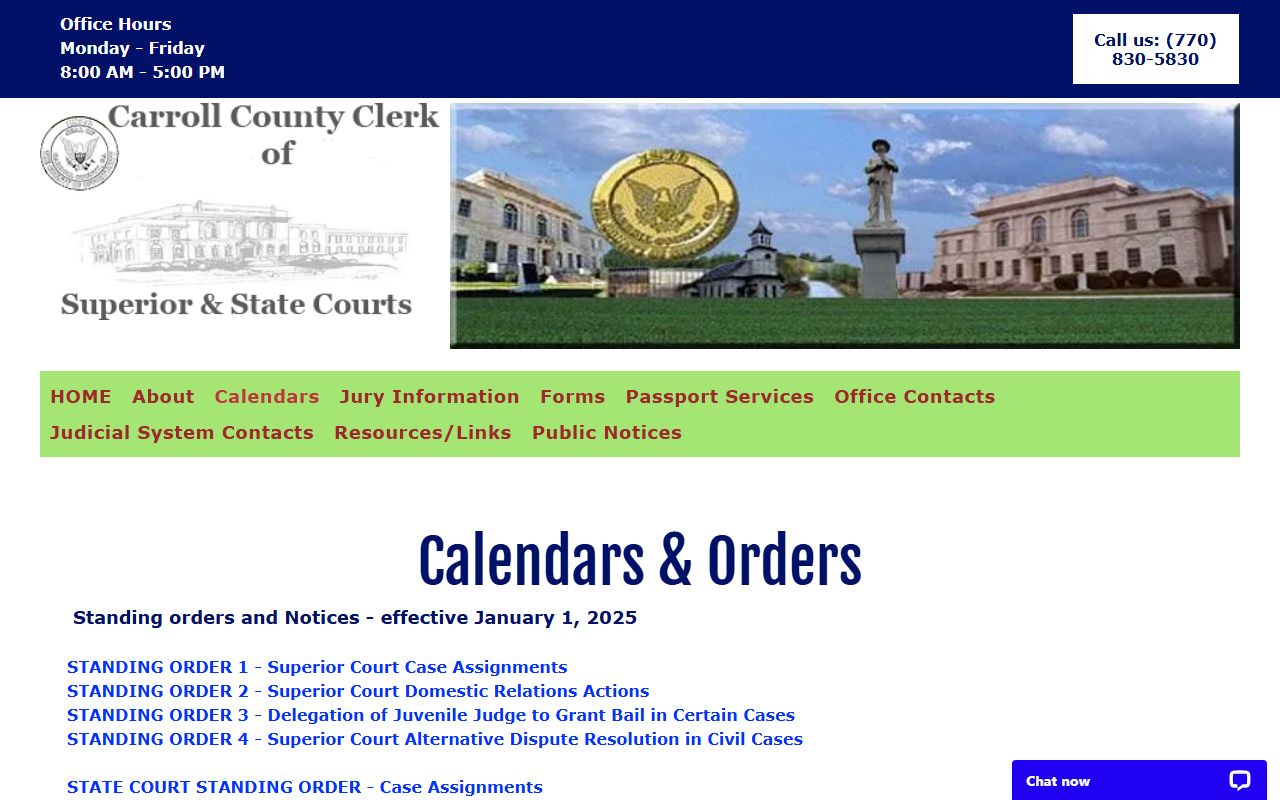
The Clerk court calendars page is a separate schedule source from a case docket.
How to Find Carroll County Dockets
The first online route is the Carroll County party-name docket search. The portal also exposes case-number and associated-party search paths from its navigation. If a deep link cycles back to the home or disclaimer page, start from the portal home and accept any required session step. The search page requires a party name on the party tab, asks for last name followed by first name, says not to include suffixes, and requires at least two letters.
- Open the Carroll County docket portal home or party-name search page.
- Enter the party name in last-name, first-name format, then search all likely spelling variations.
- Compare returned case numbers against court type, filing date, party role, and status.
- Read docket events in date order to identify hearings, motions, orders, dispositions, or sentences.
- Call the Clerk of Superior and State Courts when the docket is missing, unclear, restricted, or not enough for a certified record need.
Magistrate Court, Probate Court, Juvenile Court, and municipal courts can require a different route. For example, Probate Court records and marriage licenses are routed to the Probate Court Judge, while Magistrate Court Judge records include civil cases, arrest and search warrants, and county ordinance violations.
Carroll County Docket Entry Fields
The research did not capture a reliable public sample detail page with every result column. The field list below is based on the county portal, Clerk duties, court pages, and sample record inventory in the research. Use it to read Carroll County court dockets carefully without assuming that each field appears on every case or in every court level.
| Field | What It Shows |
|---|---|
| Case Number | The unique identifier used by the court, Clerk, or docket portal for the case. |
| Court | Superior Court, State Court, Magistrate Court, Probate Court, Juvenile Court, or a municipal court. |
| Case Type | Criminal, traffic, civil, divorce, probate, guardianship, dispossessory, garnishment, warrant, or ordinance matter. |
| Parties | State and defendant, plaintiff and defendant, petitioner and respondent, estate name, ward, or applicant names. |
| Docket Event | The filed item or court action, such as motion, order, hearing notice, indictment, arraignment, judgment, or dismissal. |
| Disposition | The outcome or current status, such as open, closed, dismissed, guilty plea, judgment, transferred, appealed, sealed, or restricted. |
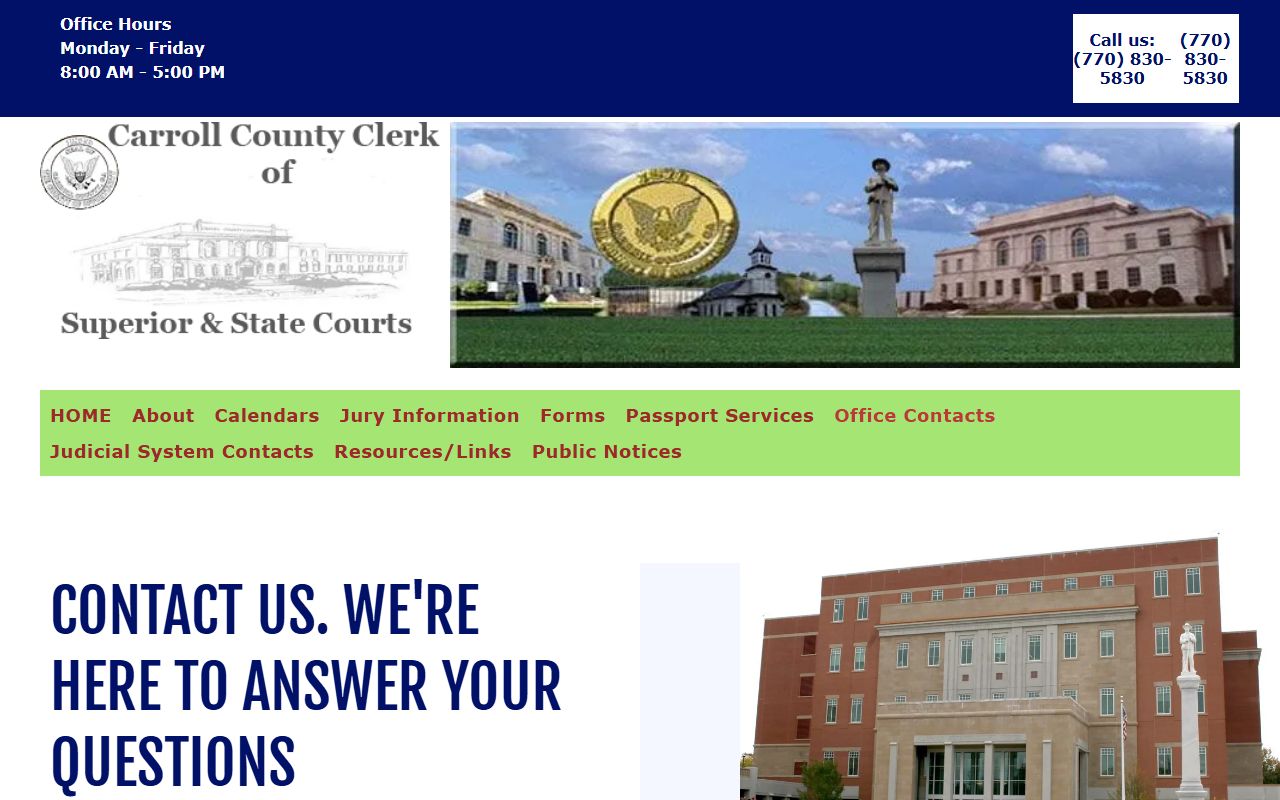
The Clerk contact page gives the office route for docket questions and copy requests.
Carroll County Courts With Dockets
Docket access depends on which Carroll County court created the record. Superior Court and State Court filings are maintained by the Clerk of Superior and State Courts, so the county docket portal and Clerk office are the primary route for those matters. Magistrate Court has its own jurisdiction for small claims, dispossessory cases, bad checks, warrant applications, preliminary hearings, summonses, and search warrants. Probate Court and Juvenile Court operate from the same court complex but do not have the same public-access rules or record types.
| Court | Docket or Calendar Route | Common Case Types |
|---|---|---|
| Superior Court | County docket portal and Clerk of Superior and State Courts | Felonies, divorce, adoption, land title, equity, and major civil cases. |
| State Court | County docket portal, Clerk, and calendar resources | Misdemeanors, traffic violations, county ordinances, and non-equity civil matters. |
| Magistrate Court | Magistrate Court office at 311 Newnan Street | Small claims to $15,000, dispossessories, warrants, preliminary hearings, and bad checks. |
| Probate Court | Probate Court record-search channel or Probate Court office | Wills, estates, guardianships, conservatorships, marriage licenses, and weapons carry. |
| Juvenile Court | Juvenile Court office, with confidentiality limits | Delinquency, dependency, CHINS, juvenile traffic, and treatment matters. |
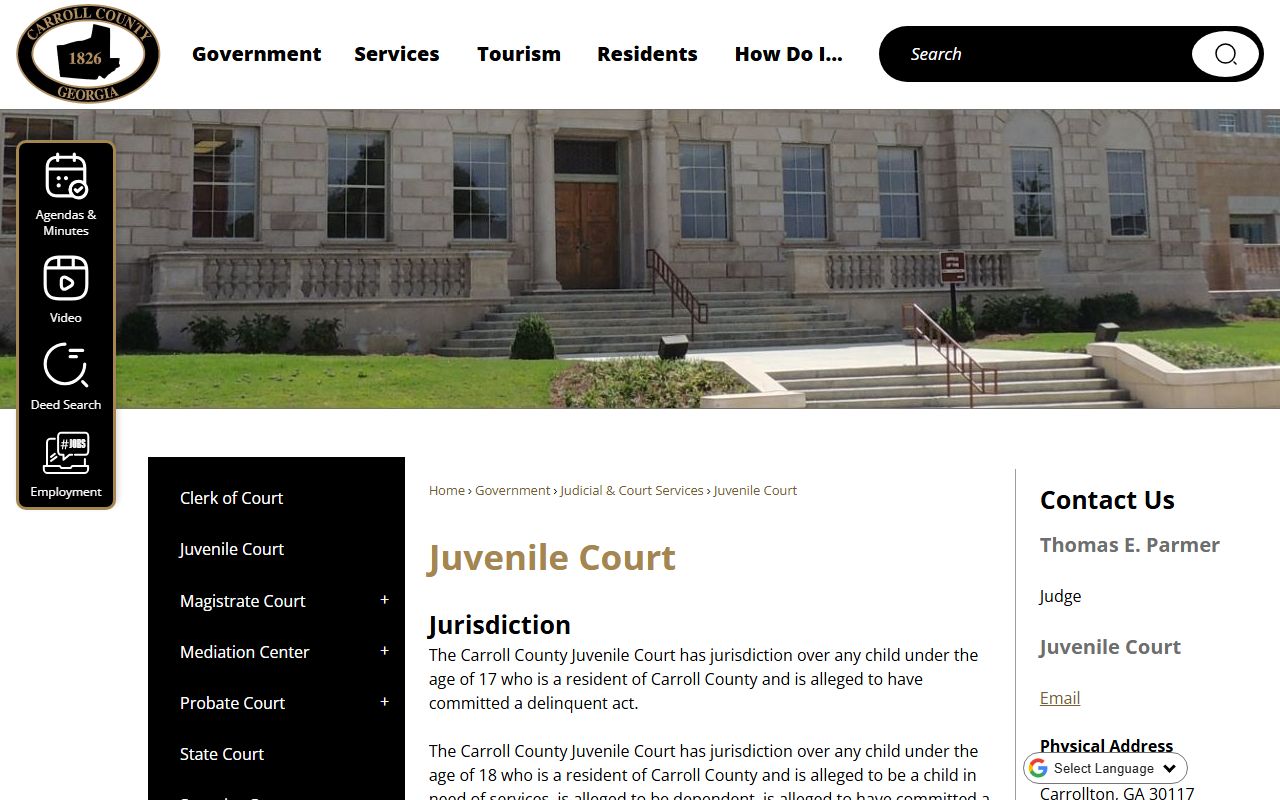
The Juvenile Court page confirms a separate juvenile route for child-related matters.
Carroll County Dockets vs Case Files
A docket is a case timeline. A full court record is the file behind that timeline. In Carroll County, a docket may show that an indictment, order, or sentence was entered, while the official copy of that document must come from the Clerk or the court office. This distinction matters for legal use, employment licensing, property questions, divorce decrees, and record restriction work.
| Docket | Full Case Record | |
|---|---|---|
| Format | Chronological list of case events. | Filed pleadings, orders, judgments, notices, and other documents. |
| Best Use | Track status, court dates, filings, dispositions, and case progress. | Review legal text, obtain certified copies, or confirm exact terms. |
| Access | Often searched online for Superior and State Court cases. | May require Clerk contact, copy fee, in-person visit, or court review. |
| Limits | May omit document images or sealed details. | May be redacted, restricted, sealed, or unavailable to the public. |
Reading Carroll County Court Dockets
Common docket terms need plain reading. A motion is a written request asking the court to act. A continuance is a delay or reset. Disposition means the current or final outcome. A Fi. Fa. is a judgment-enforcement entry. In a criminal docket, an accusation is a formal charging document, an indictment is a grand-jury charging document, arraignment is the stage where charges are read and a plea may be entered, and sentence is the punishment or terms ordered after a plea or conviction.
For criminal or traffic dockets, read each charge separately. One case can have several counts, and each count can end differently. A charge can be pending, dismissed, reduced, amended, or disposed by plea or verdict. Bond and failure-to-appear entries may appear in court history, but current custody status belongs with the Sheriff jail roster. The full criminal case file is covered more closely in Carroll County criminal court records.
For civil Carroll County court dockets, focus on the filing date, party names, motion history, orders, judgment entries, garnishment or Fi. Fa. activity, and appeal status. Magistrate civil claims and dispossessory matters can later move when a written jury-trial request sends the case to Superior or State Court, so a docket search may need more than one court office.
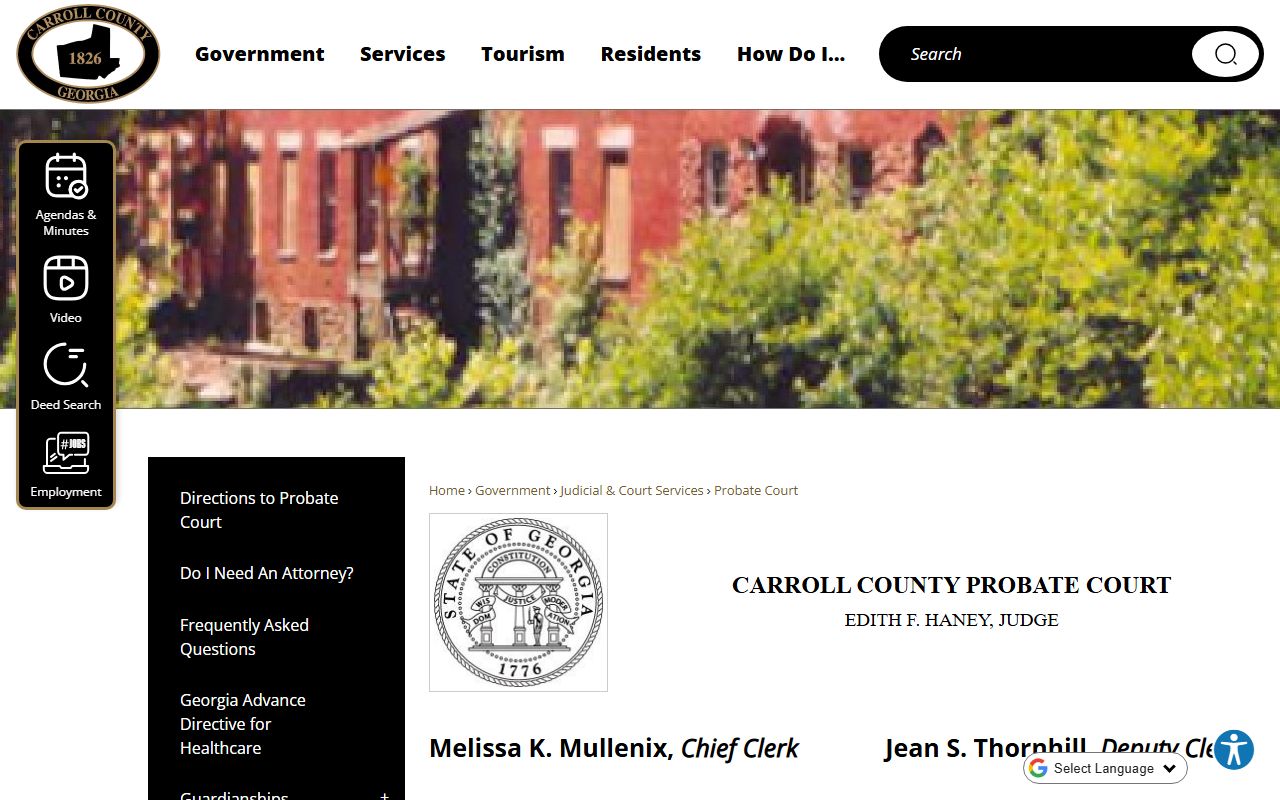
The Probate Court page is a separate source for probate calendars, filings, and record channels.
Note: A docket entry can point to a record, but it may not be the record a court, agency, or attorney needs.